Found Mold? Here's What You Need to Know First.
Discovering mold in a Security-Widefield home — in the crawl space, behind a bathroom wall, or in a basement — is a problem that deserves a real response. For military families managing rental agreements or move-out inspections, there's urgency on top of the concern. And in Security-Widefield's mix of older housing stock and crawl space foundations, the mold you see is often connected to moisture that's been accumulating for years.
Mold is a solvable problem. The key is making sure it's handled correctly — containment, removal, moisture source addressed, and post-remediation testing to confirm the job is done. Mold cleaned without containment spreads spores. Mold treated without addressing the source comes back. We follow certified protocols on every job: contain, remove, treat, air-scrub, test.
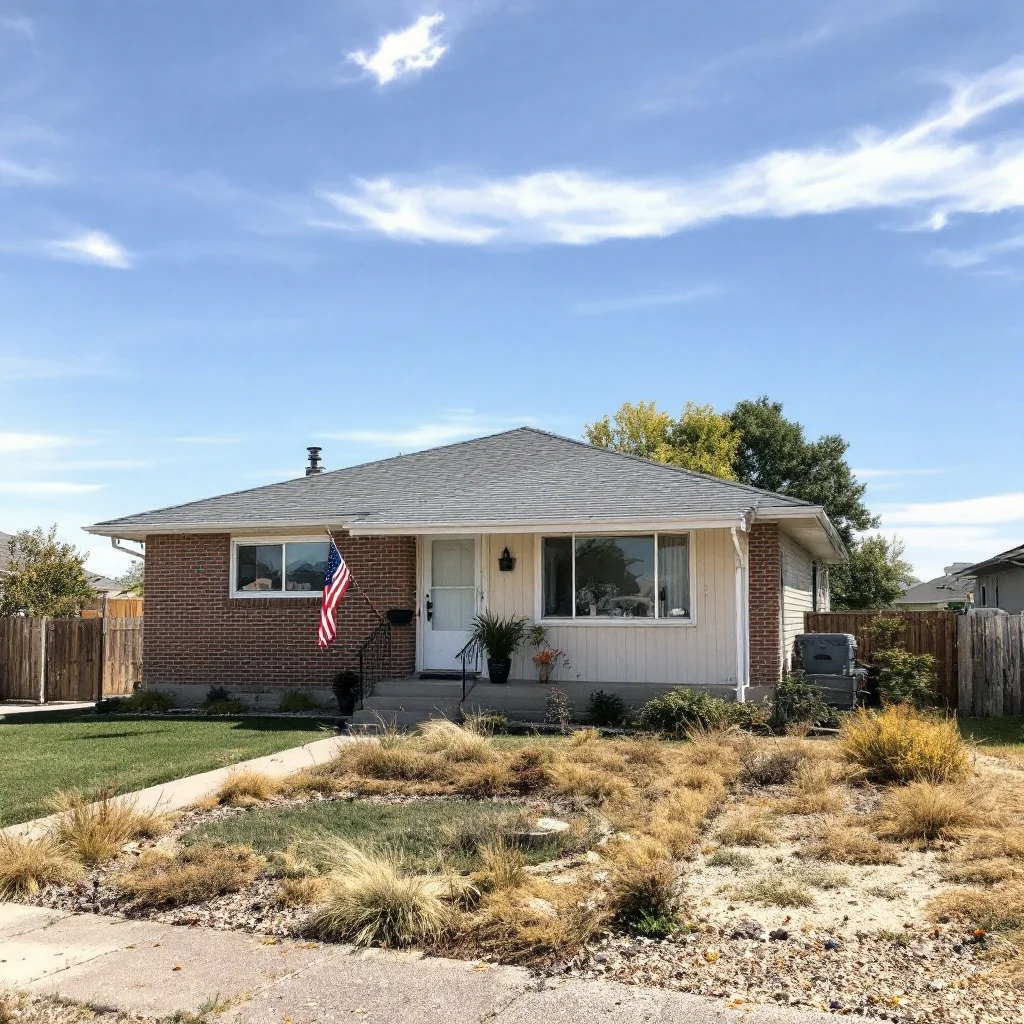
Why Security-Widefield Homes Are Vulnerable
Security-Widefield's housing stock spans the 1960s through the 1990s, a period when crawl space foundations and basic vapor barriers were standard. Several factors combine to make mold common:
Aging or degraded vapor barriers in crawl spaces allow soil moisture to evaporate directly onto wood joists and subfloor — the most common mold condition we find in Security-Widefield homes. Many homeowners don't know their crawl space has a problem until musty odors reach the living area.
High rental turnover means deferred maintenance is common. Slow leaks under sinks, failing caulk around tubs, and exhaust fans that stopped working years ago create the persistent moisture that mold needs. With frequent tenant changes, these issues often go unreported until significant growth has occurred.
Monsoon season moisture pushes into crawl spaces and basements through vent screens and foundation gaps. The rapid humidity swings typical of the Colorado Springs area — dry days followed by intense afternoon moisture — create ideal conditions for mold in poorly sealed crawl spaces.
How We Handle Mold Remediation Near Security-Widefield
- Free Inspection: We assess the affected area, take moisture readings, identify the moisture source, and provide a written scope and price before work starts.
- Containment: Plastic sheeting and negative air pressure isolate the work area. Spores stay contained and don't travel through HVAC to other rooms.
- Remove and Treat: Contaminated porous materials are removed and disposed of properly. All surfaces are HEPA-vacuumed and treated with EPA-registered antimicrobial solution.
- Moisture Source Addressed: We identify and correct the source or provide clear direction on what needs to happen before rebuild.
- HEPA Air Scrubbing: Commercial air scrubbers run in the containment zone before it's opened to the rest of the home.
- Clearance Testing: Independent air sampling verifies spore counts are back to normal. Written documentation provided.
What Homeowners Near Security-Widefield Are Saying
"Had a crawl space mold problem we didn't even know about until our neighbor mentioned it. Turns out the vapor barrier was completely degraded and there was mold on half the joists. Full remediation and encapsulation — a week later you'd never know."
— Kevin T., Security-Widefield"Landlord called them for a rental property between tenants. Fast turnaround, complete documentation, clearance test passed. Exactly what we needed before the new tenants moved in."
— Property Manager, Security-WidefieldWhat Does Mold Remediation Cost Near Security-Widefield?
Small area (under 10 sq ft): $500–$1,500
Mid-size (10–100 sq ft): $1,500–$4,000
Crawl space remediation and encapsulation: $4,000 to $10,000
Post-remediation clearance testing: $300–$500
Most Security-Widefield jobs in a single area land between $1,500–$3,500. The free inspection gives you the exact number.
Quick Answers Before You Call
Are crawl space foundations more vulnerable to mold?
Yes. Crawl spaces with inadequate vapor barriers allow soil moisture to evaporate onto cold wood surfaces year-round. Monsoon season in particular pushes moisture into crawl spaces through vents. Most Security-Widefield crawl space mold is caused by degraded vapor barriers — encapsulation is the permanent fix.
Do you work with landlords and rental properties?
Yes. We provide complete documentation packages for landlords — findings, scope, before/after photos, and clearance test results. This protects you in lease disputes and demonstrates due diligence to new tenants.
What if the mold is in a rental I'm moving out of?
Call us and your landlord. Tenant-documented mold creates a liability for the property owner that they're required to address. We can help document conditions for move-out disputes if needed.
How long does remediation take?
Small to mid-size jobs: one day. Crawl space remediation and encapsulation: 1–2 days. Larger or more complex projects: 2–3 days. Exact timeline included in your written estimate.
Mold Doesn't Pause. Neither Should You.
Free inspection. Written estimate. No obligation. We answer or call back within 1 hour.
(719) 496-8287