Found Mold? Here's What You Need to Know First.
Old Colorado City's historic homes — most built between the 1880s and 1950s — weren't designed with modern moisture management in mind. Stone and brick foundations absorb ground moisture continuously. Original plumbing develops slow leaks that go undetected for years. Plaster walls absorb humidity differently than modern drywall, holding moisture against wood lath where mold thrives. The result is that mold problems in OCC homes are often older, deeper, and more extensive than they first appear.
The good news: these problems are solvable. The key is accurate scoping — finding the actual extent of the problem before committing to a price — and proper containment to avoid spreading spores through the rest of the home during removal.
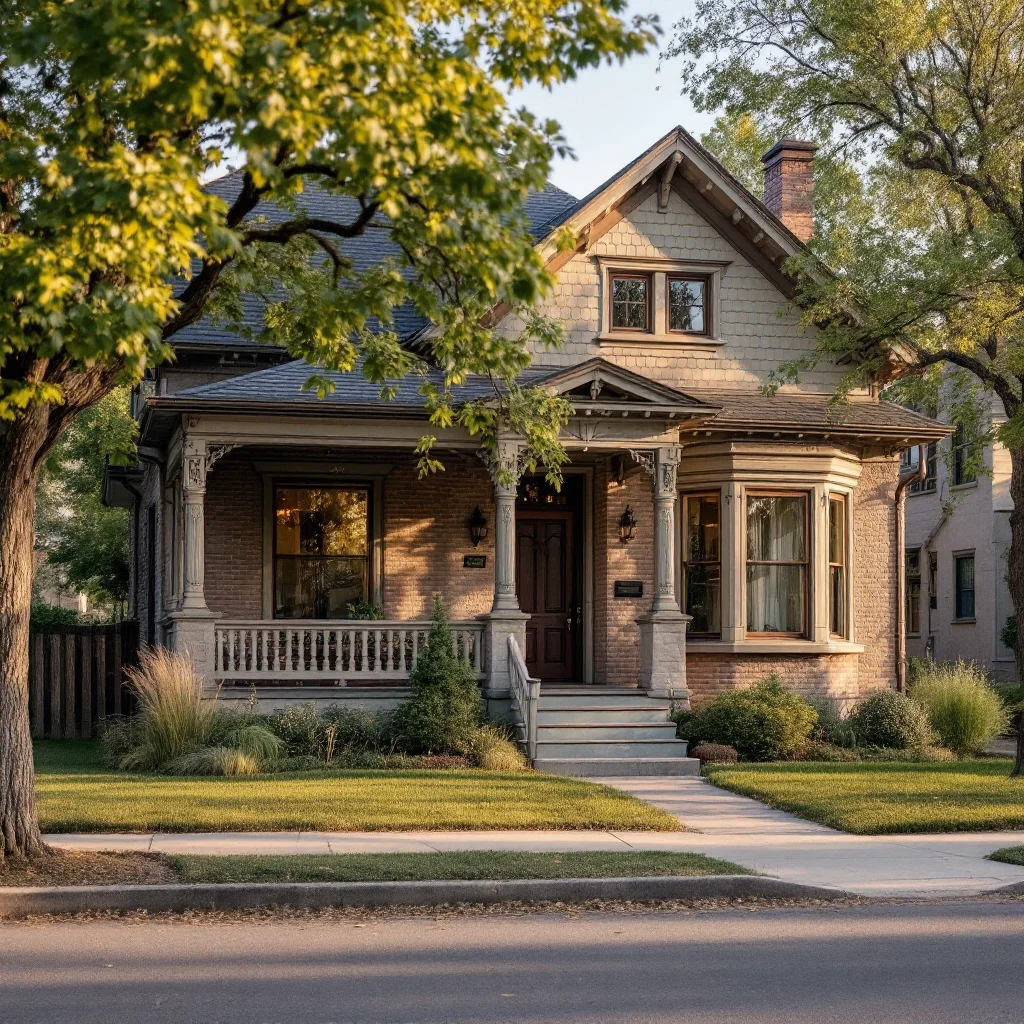
What Makes Historic OCC Homes Different
Stone and rubble foundations without waterproofing membranes. Pre-1950 foundations in OCC were built to drain water away, not to seal against moisture. Ground moisture migrates continuously into basements and crawl spaces — this isn't a defect, it's how these foundations work. Managing it requires vapor barriers and adequate drainage, which many of these homes lack.
Original plumbing has higher slow-leak rates. Aging galvanized steel and cast iron supply and drain lines develop pinhole leaks and joint failures at higher rates than modern materials. These slow leaks often run inside walls for months or years — creating ideal hidden mold conditions in wall cavities.
Mold in plaster walls starts behind the surface. Plaster absorbs humidity and transfers it to the wood lath beneath. Mold establishes on the lath and grows forward. By the time discoloration appears on the plaster surface, the colony is substantial. Surface cleaning doesn't address what's behind it.
Limited attic ventilation in historic construction. Early 20th-century homes often have attics with inadequate ventilation by modern standards. Bathroom and kitchen exhaust — if vented into the attic at all — creates the ideal moisture and temperature conditions for attic mold.
How We Handle Mold Remediation in OCC
- Free Inspection: We assess with moisture meters and document visible and suspected areas — including attic and crawl space. Written scope and price before work starts.
- Containment: Plastic sheeting and negative air pressure isolate the work area. Critical in older homes with open floor plans and limited air sealing.
- Remove and Treat: Affected plaster, lath, and other materials are removed where necessary. Structural wood is HEPA-vacuumed and treated with antimicrobial solution. We work carefully with historic materials to preserve what can be preserved.
- Moisture Source Addressed: Foundation moisture management, plumbing repairs, or ventilation corrections are identified and either addressed or clearly scoped for follow-up.
- HEPA Air Scrubbing: Air scrubbers run in the containment zone before it opens to the rest of the home.
- Clearance Testing: Independent air sampling confirms spore counts are normal. Written documentation provided.
What OCC Homeowners Are Saying
"1920s craftsman, musty basement we assumed was just 'old house smell.' Turned out to be significant mold on the floor joists from years of moisture migration through the stone foundation. Remediation and proper vapor barrier — smell is completely gone."
— Anne and Greg T., Old Colorado City"Bathroom tile grout mold that kept coming back no matter what I tried. There was a slow drainline leak inside the wall feeding it the whole time. They found it with the moisture meter, fixed the source, remediated the wall. Fixed."
— Maria S., Old Colorado CityWhat Does Mold Remediation Cost in OCC?
Small area (under 10 sq ft): $500–$1,500
Mid-size (10–100 sq ft): $1,500–$4,000
Large / whole-room or structural: $4,000–$9,000
Post-remediation clearance testing: $300–$500
Historic home jobs in OCC frequently run mid-range or higher because moisture infiltration has been ongoing for years. The free inspection scopes the actual extent before you commit to a price.
Quick Answers Before You Call
Can you work on historic homes without damaging original materials?
We approach historic materials carefully and remove only what must be removed. Our goal is to eliminate the mold colony while preserving structural and finishing materials that can be treated in place. We're explicit about what gets removed versus treated — in writing, before work starts.
My home has "just always smelled musty." Is that mold?
The musty smell in older basements is often mold, not just "old house smell." The two smell similar, but persistent musty odor in a stone basement is worth inspecting — especially if it's stronger after rain or humid weather. A free moisture inspection can tell you definitively what's there.
How long does remediation take?
Small to mid-size jobs: one day. Historic homes with larger affected areas: 2–3 days. Exact timeline in your written estimate.
Mold Doesn't Pause. Neither Should You.
Free inspection. Written estimate. No obligation. We answer or call back within 1 hour.
(719) 496-8287