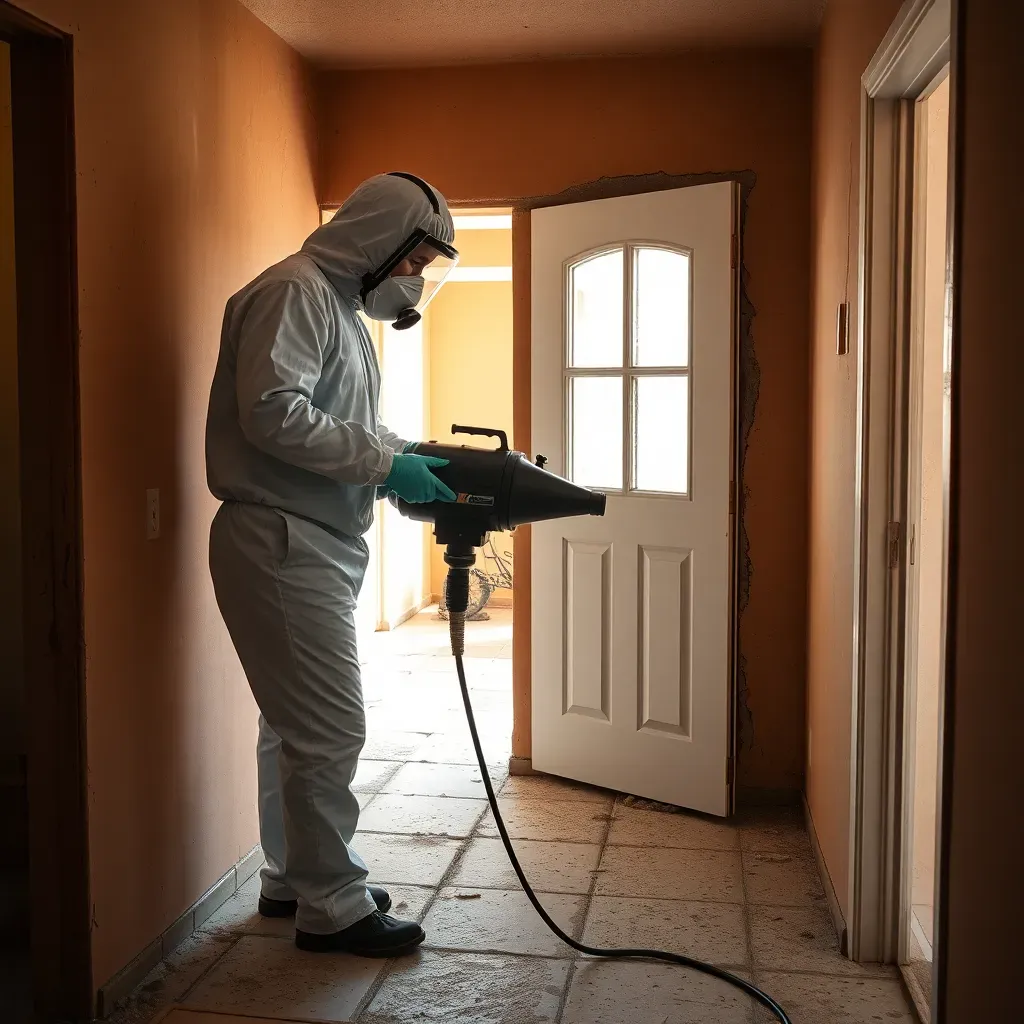
Found Mold? Here's What You Need to Know First.
Pueblo's combination of older housing stock, proximity to the Arkansas River, and hot summers creates a distinct mold environment. Many homes in the city were built in the early to mid-1900s with construction techniques that allow moisture migration through foundations. The Arkansas River and its tributaries raise groundwater levels periodically, pushing moisture into basements of nearby homes even when there's no visible flooding. Pueblo's hot summers then create temperature differentials between hot exterior air and cool basement spaces — a condensation cycle that drives chronic moisture on foundation walls.
Mold in a Pueblo home is a real problem that deserves a professional response. We follow certified protocols on every job: free inspection, written scope and price, containment, removal, moisture correction, and clearance testing.
Why Pueblo Homes Are Vulnerable
Older housing stock with aging infrastructure. Pre-1950s homes in Pueblo have original or aging plumbing systems with higher slow-leak rates. Foundation construction predates modern waterproofing. These homes were built for a different climate management model — they admit moisture in ways that modern construction doesn't.
Arkansas River flooding and groundwater influence. Homes in the Northside, Bessemer, and South Side neighborhoods adjacent to the river experience groundwater elevation during spring snowmelt and after heavy monsoon events. Even homes that have never experienced visible flooding can have their crawl spaces and basements affected by elevated groundwater pushing through foundations.
Hot summers drive condensation in cool basements. Pueblo's summer temperatures — regularly in the 90s and occasionally above 100°F — create significant temperature differentials when hot exterior air enters cooler basement spaces. This condensation cycle deposits moisture on foundation walls and floors throughout the summer, creating ongoing mold conditions even without a specific water event.
How We Handle Mold Remediation Near Pueblo
- Free Inspection: Full moisture assessment and visual documentation. Written scope and price before work starts.
- Containment: Plastic sheeting and negative air pressure isolate the work zone. Spores stay contained.
- Remove and Treat: Contaminated materials removed and disposed of. All surfaces HEPA-vacuumed and treated with antimicrobial solution.
- Moisture Source Addressed: Foundation moisture management, drainage, or plumbing issues identified and corrected or clearly scoped.
- HEPA Air Scrubbing: Air scrubbers run in containment before opening to the rest of the home.
- Clearance Testing: Independent air sampling confirms spore counts are normal. Written documentation provided.
What Pueblo Homeowners Are Saying
"Basement in a 1940s home had always had a musty smell. Nobody ever told us it was a mold problem — just 'old house.' Turns out there was significant mold on the floor joists from years of moisture migration. Remediated and encapsulated. Smell is completely gone."
— Rosa V., Pueblo"High water after the monsoon season got into the crawl space. Called them from Colorado Springs and they made the trip down, inspected everything, and gave us a clear scope. Remediation done in one day."
— Michael T., PuebloWhat Does Mold Remediation Cost Near Pueblo?
Small area (under 10 sq ft): $500–$1,500
Mid-size (10–100 sq ft): $1,500–$4,000
Large / whole-room or basement: $4,000–$9,000
Post-remediation clearance testing: $300–$500
A trip charge may apply for Pueblo — confirmed on the first call. The free inspection always applies.
Quick Answers Before You Call
Do you service Pueblo from Colorado Springs?
Yes. We serve the Pueblo area. Call us and we'll confirm availability and any travel consideration. The inspection is free regardless of distance within our service area.
My basement always smells damp in summer. Is that mold?
Persistent damp smell in summer in a Pueblo basement is often a combination of condensation and mold. Pueblo's hot summers drive warm humid air into cool basements — condensation is constant on foundation walls. Over time, that moisture supports mold growth. An inspection will tell you whether there's active mold or just a moisture management issue that needs to be addressed before mold establishes.
Does insurance cover flood-related mold?
Standard homeowners policies don't cover flooding — that requires separate flood insurance. However, mold from sudden internal water events (burst pipes, appliance failures) is often covered. We document cause and scope for every job to support claims.
Mold Doesn't Pause. Neither Should You.
Free inspection. Written estimate. No obligation. We answer or call back within 1 hour.
📞 (719) 496-8287